
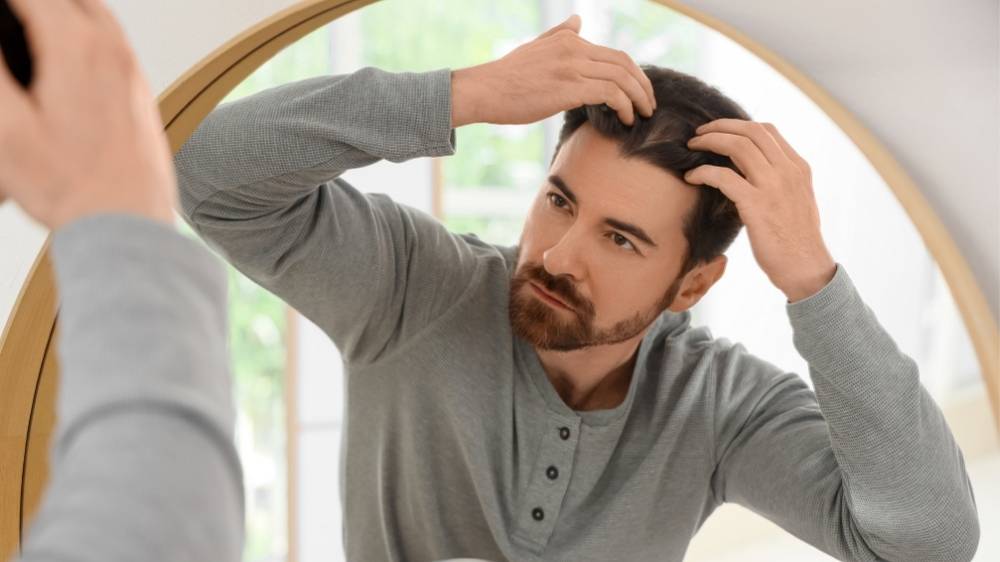
Dealing with hair loss is rarely just about the hair itself. For many people across Scotland, noticing a receding hairline or a thinning crown in the mirror every morning can be a deeply personal and often distressing experience. It affects how you present yourself to the world, how you feel in social situations, and even how you perform in your professional life. While there are plenty of temporary fixes like powders, hats, or specific hairstyles, the desire for a permanent solution often leads people to research a hair transplant clinic Glasgow.
Glasgow has long been a centre for medical excellence, and its reputation for hair restoration is no different. The city offers a blend of experienced surgeons and state-of-the-art facilities that make the prospect of undergoing a procedure much less daunting than it might have been a decade ago. Choosing to stay local for such a significant procedure allows patients to manage their recovery in the comfort of their own homes, avoiding the stress of international travel and the lack of immediate aftercare that often comes with overseas ‘hair tourism’.
Why Glasgow has become a hub for hair restoration
In recent years, there has been a significant shift in how people approach cosmetic and restorative procedures. Gone are the days when such treatments were whispered about in secret. Today, there is a growing community of people in Glasgow who are open about their experiences, sharing their results and helping others find the right path. This openness has encouraged more specialists to establish their practices in the city, providing residents with world-class options right on their doorstep.
The benefit of choosing a hair transplant clinic Glasgow extends beyond just convenience. It is about the relationship between the patient and the surgeon. When you choose a local clinic, you have the opportunity for multiple face-to-face consultations before you ever step into the procedure room. This builds a level of trust and understanding that is hard to replicate via a video call or through a third-party agency. You can discuss your specific hair type, your long-term goals, and get an honest assessment of what is achievable.
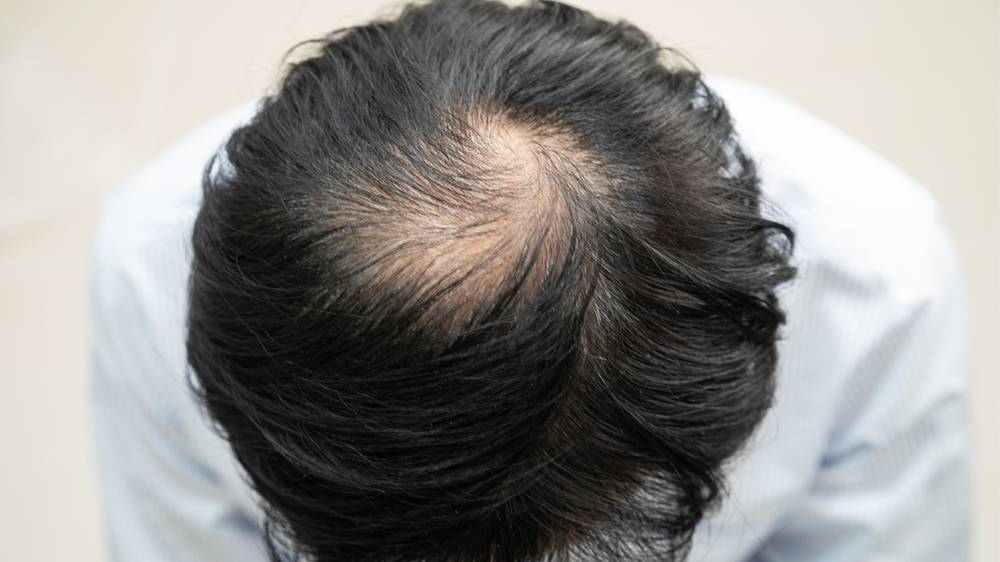
Understanding the modern techniques available
The technology behind hair restoration has advanced rapidly. Modern procedures are far more refined than the ‘plugs’ of the past, focusing on natural-looking density and hairlines that complement the individual’s facial structure. Most reputable clinics in the city specialise in two main methods, each with its own set of advantages depending on the patient’s needs.
Follicular Unit Extraction (FUE)
FUE is currently the most popular choice for many patients. It involves extracting individual hair follicles from a donor area—usually the back or sides of the head—and transplanting them into the thinning areas. Because the follicles are taken one by one, the resulting scars are tiny, circular marks that are virtually invisible once the hair grows back. This method is particularly favoured by those who prefer to keep their hair short.
Follicular Unit Transplantation (FUT)
FUT, sometimes referred to as ‘strip surgery’, involves removing a small strip of skin from the donor area. The follicles are then carefully dissected under a microscope before being implanted. While this method does leave a linear scar, it is often more suitable for patients who require a larger number of grafts in a single session. When performed by a skilled surgeon at a hair transplant clinic Glasgow, the scar is easily hidden by surrounding hair.
What to look for when choosing your clinic
The decision to undergo surgery is significant, and finding the right environment is crucial. You want to ensure that the clinic you choose prioritises patient safety, uses the latest technology, and, most importantly, has a proven track record of natural results. When searching for a hair transplant clinic glasgow, it is vital to look at the surgeon’s credentials and their specific experience in the field of hair restoration.
Here are a few things you should consider during your research:
- Is the surgeon registered with the General Medical Council (GMC)?
- Does the clinic provide clear before-and-after photos of their own patients?
- What is the level of aftercare provided following the procedure?
- Are the consultations led by the surgeon who will actually perform the operation?
- Does the clinic have positive reviews from real patients in the local area?
The importance of a personalised consultation
No two heads of hair are the same, which is why a ‘one-size-fits-all’ approach never works in hair restoration. A high-quality hair transplant clinic Glasgow will always insist on a thorough consultation. During this meeting, the surgeon will examine your scalp, assess the quality of your donor hair, and discuss any underlying medical conditions that might be contributing to your hair loss. This is also the time to manage expectations; a good surgeon will be honest about what can be achieved based on your donor hair availability.
It is also an opportunity for you to ask questions. Many people feel nervous about the procedure, and a professional clinic will take the time to put your mind at ease. You might want to ask about:
- The estimated number of grafts needed for your specific case.
- The expected timeline for hair growth and final results.
- Any potential risks or side effects associated with the surgery.
- How the clinic handles follow-up appointments and monitoring.
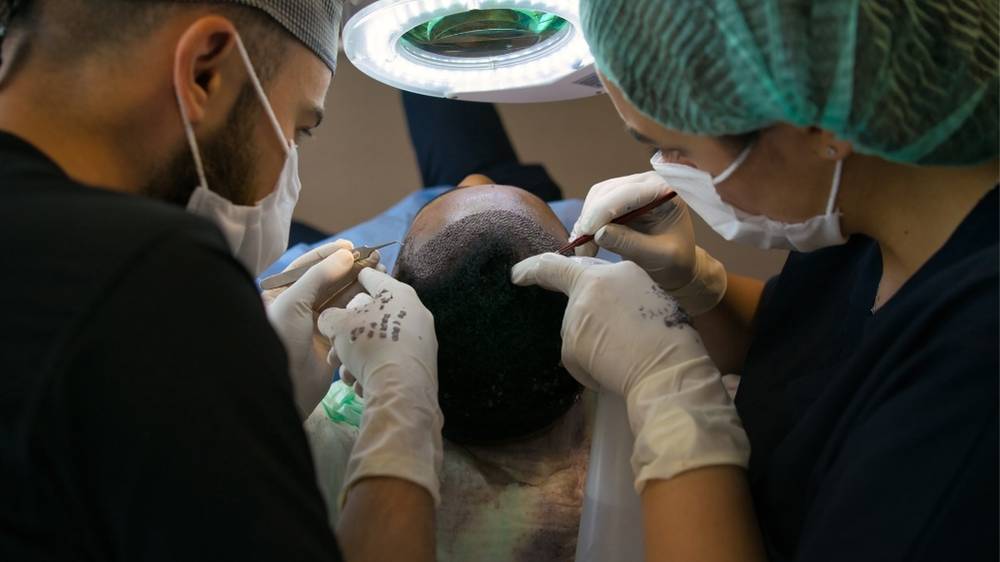
The road to recovery and long-term results
The procedure itself is only one part of the journey. The recovery phase is where the foundation for your new hair growth is laid. Most patients find that they can return to work within a week, although there will be some initial redness and scabbing in the treated areas. A reputable hair transplant clinic Glasgow will provide you with a comprehensive aftercare pack and detailed instructions on how to wash and care for your scalp in the weeks following surgery.
It is important to remember that patience is key. The transplanted hair will usually fall out within the first few weeks—a process known as ‘shock loss’—which is perfectly normal. The new, permanent hair will then begin to grow from the transplanted follicles after a few months. Most patients start to see a real difference around the six-month mark, with the full results becoming apparent after a year.
To ensure the best possible outcome during your recovery, you should follow these general guidelines:
- Avoid strenuous exercise for at least two weeks to prevent swelling.
- Keep the scalp clean and follow the specific washing routine provided by your clinic.
- Protect your scalp from direct sunlight for several weeks.
- Avoid smoking and alcohol during the initial healing phase as they can affect blood flow to the follicles.
- Attend all scheduled follow-up appointments to ensure the healing process is on track.
Ultimately, the goal of visiting a hair transplant clinic Glasgow is to achieve a result that looks so natural no one would ever guess you had a procedure. It is about restoring not just your hair, but your sense of self. By choosing a clinic that values precision, artistry, and patient care, you are taking a proactive step toward a more confident future. The vibrant city of Glasgow provides the perfect backdrop for this transformation, offering the expertise and support needed to navigate the journey of hair restoration with ease.

Hiram Abriel is a transportation analyst and writer with a keen focus on railway innovation. He covers advancements in high-speed rail, sustainable transport solutions, and the integration of smart technology in modern rail networks.